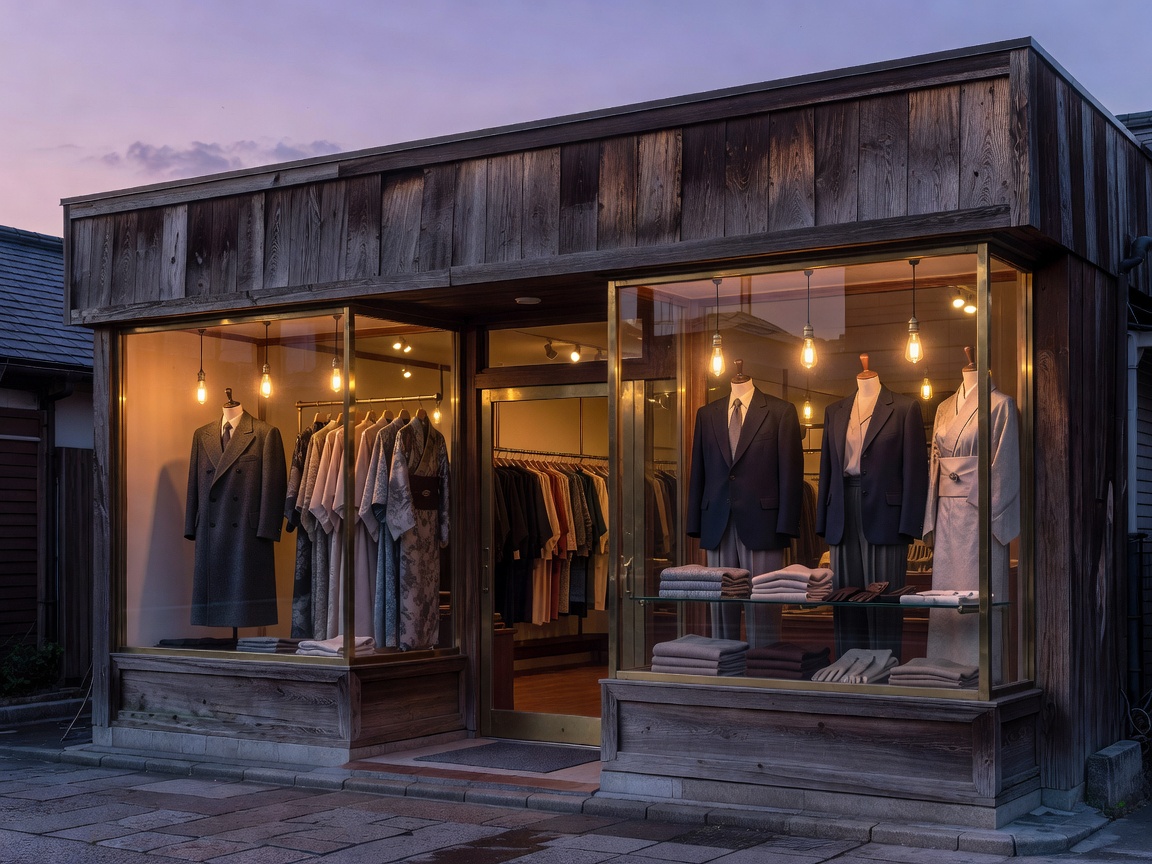
Tokyo is the global capital of archival fashion hunting. Unlike the disorganized thrift bins of London or New York, Japanese second-hand shops (Furugiya) treat vintage garments with museum-grade preservation standards. Garments from 1990s Comme des Garçons, Yohji Yamamoto Pour Homme, Number (N)ine, and early Undercover are meticulously cataloged, dry-cleaned, and graded by condition.
1. District Breakdown: Shimokitazawa vs. Koenji
Each Tokyo vintage neighborhood holds a distinct subcultural personality:
• Shimokitazawa (Setagaya-ku): Accessible via the Odakyu and Keio Inokashira lines. Shimokita leans into 90s skater culture, workwear, vintage American band tees, and reworked deadstock denim. Key spots include New York Joe Exchange (housed in a former bathhouse) and Flamingo.
• Koenji (Suginami-ku): A ten-minute ride on the JR Chuo Line from Shinjuku. Koenji is the historic cradle of Tokyo's 1970s punk music scene. Here you will find rare punk leather, military surplus modifications, and high-end archival Japanese menswear in spots like Suntrap and Whistler.
Best for 90s Urahara
Kindal & Ragtag (Harajuku & Shibuya flagships)
Best for Avant-Garde
Archive Store (Shibuya basement boutique)
Best for Raw Workwear
Koenji Look Street corridor
2. Navigating Japanese Designer Consignment (Ragtag & Kindal)
For buyers seeking specific designer grails—such as Takahiro Miyashita’s 2004 "Give Peace a Chance" collection or Hedi Slimane-era Dior Homme—corporate consignment chains like Ragtag, Kindal, and 2nd Street maintain searchable online databases and multi-floor flagship stores in Shibuya and Ginza.
Each item is tagged with a transparent condition grade (from Grade S for unworn with tags, to Grade C for visible distress). Japanese strict counterfeit laws make these stores among the safest places on earth to acquire authenticated archival pieces.
3. Insider Tips for Archival Hunters
1. Bring Cash & Passport: Many independent boutique shops offer an 8%–10% instant tax-free deduction for foreign tourists upon presenting a valid passport stamp.
2. Japanese Sizing Realities: Remember that Japanese domestic sizing (sizes 1 through 5) tends to run one full size smaller in the shoulders and chest compared to US/European equivalents, though 90s oversized cuts remain generous.