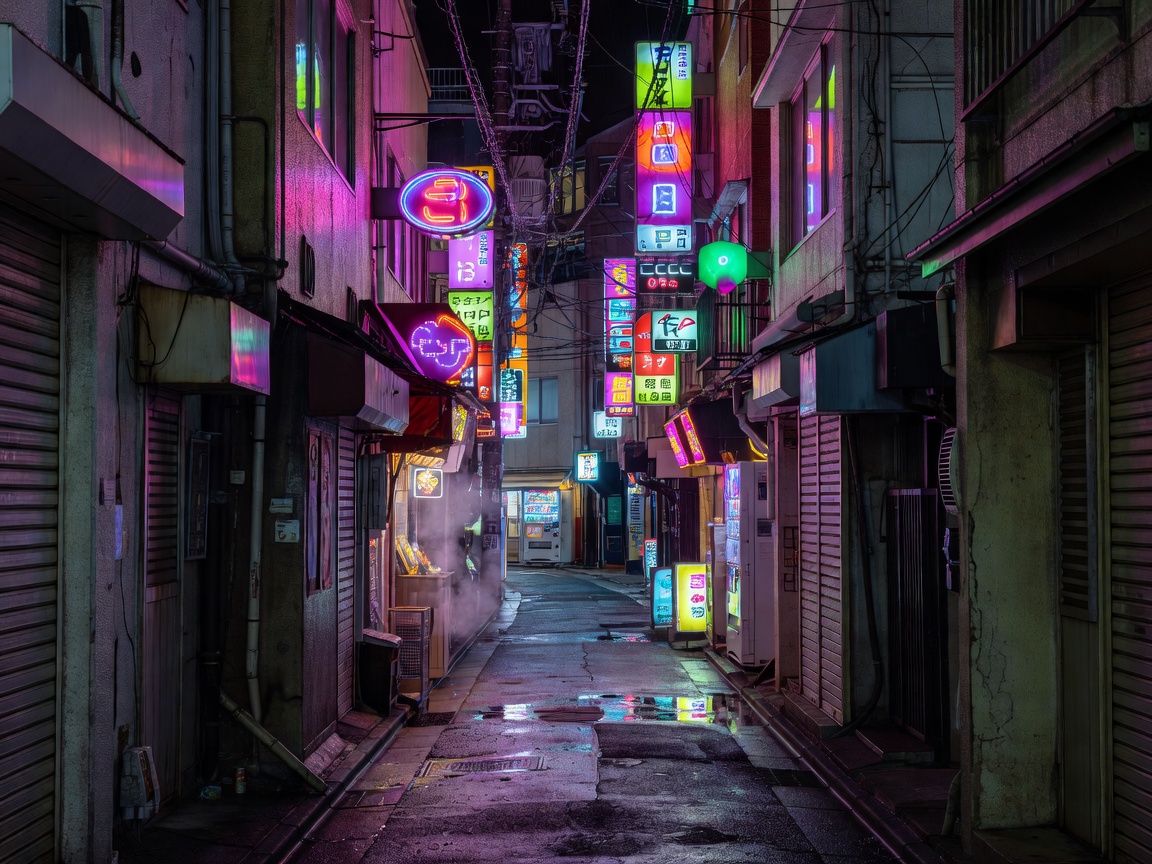
In the early 1990s, tucked away behind the bustling main thoroughfares of Harajuku and Omotesando, an informal network of residential backstreets—colloquially known as Urahara (short for Ura-Harajuku, or "hidden Harajuku")—became the epicenter of modern youth culture. What transpired in these small, unmarked storefronts fundamentally altered the mechanics of the international fashion industry.
1. The Foundation of NOWHERE (1993)
On April 1, 1993, Jun Takahashi (founder of Undercover) and Tomoaki Nagao, better known as Nigo (founder of A Bathing Ape), rented a modest space on an unassuming alley in Harajuku. The shop was christened NOWHERE. Half of the shop was dedicated to Takahashi's punk-influenced hand-customized leather jackets and printed tees, while the other half sold imported American vintage deadstock curated by Nigo.
Mentored by Hiroshi Fujiwara—the godfather of Harajuku culture and founder of Goodenough—NOWHERE rejected standard retail practices. Rather than manufacturing mass inventory to satisfy demand, they produced extremely small production batches, inadvertently creating the artificial scarcity model that modern luxury houses rely on today.
Pivotal Year
1993 (Opening of NOWHERE shop in Shibuya-ku)
Key Pioneers
Jun Takahashi, Nigo, Hiroshi Fujiwara, Shinsuke Takizawa
Core Philosophy
Anti-mass production, peer-to-peer distribution, punk DIY ethics
2. Graphic Language & Subversive Punk Aesthetics
Unlike Western streetwear which was predominantly tethered to skate or hip-hop culture, Urahara pulled heavily from disparate worlds: 1970s London punk rock (Sex Pistols, Vivienne Westwood), American workwear, sci-fi cinema (Planet of the Apes), and Tokyo motorcycle subcultures (as seen in Shinsuke Takizawa’s NEIGHBORHOOD).
Undercover introduced dark surrealism and technical craftsmanship into garments that looked deceptively simple from afar. Takahashi was not merely printing graphics on blank tees; he was deconstructing tailoring, incorporating raw edges, multi-zipper assemblies, and poetic typography that earned him immediate acclaim when he eventually took Undercover to Paris Fashion Week in 2002.
3. The Scarcity Blueprint and Modern Drop Culture
Before Supreme popularized the Thursday drop system in SoHo, Urahara had perfected the mechanism. Fans would line up overnight outside hidden Tokyo storefronts with zero signage. Store employees routinely limited purchases to one item per customer, and releases were rarely advertised beyond obscure Japanese magazines like Boon and Asayan.
By maintaining a deliberate mismatch between high demand and low supply, Urahara labels elevated printed cotton tees to the status of collectible art objects, laying the groundwork for the modern multi-billion dollar archival resale market.
4. Legacy in Contemporary 2026 Streetwear
Today, the ripples of Urahara are visible in every major fashion capital. From Virgil Abloh’s acknowledgment of Fujiwara's design grammar to Nigo's appointment as artistic director of Kenzo, the DIY ethos born in those tiny Harajuku back-alleys remains the foundational DNA of modern luxury streetwear.